Two Men Switched at Birth Lived Each Other's Lives for Decades

Two Men Switched at Birth Lived Each Other's Lives for Decades
Photo: Art Institute of Chicago

Two men discovered they were switched at birth and spent 36 years living completely different lives. This mix-up changed everything they knew about their families and their own history.

The men found out that they were not raised by their biological parents after a mix-up at the hospital. They spent over three decades growing up in homes that were meant for someone else, while their true families lived elsewhere without them. It is hard to imagine how it feels to wake up one day and realize your whole life story is actually someone else's path.

How the swap changed their worlds

Imagine growing up thinking you know exactly who you are and where you come from. Then, a sudden discovery flips that idea upside down. These two men had to process the fact that their childhood memories belonged to a different set of parents.

It is not just about names or homes. It is about the small things, like how you talk or what you like to eat. Sometimes, people wonder if we are born with our traits or if we learn them as we grow. This story gives us a strange, real-world look at that old question. If you are curious about how people deal with big life changes, you might like reading about a Ten-Year-Old Dog Disappears Into Yellowstone to see how creatures manage when everything they know suddenly shifts.

When you look at a human-interest story like this, you have to think about the parents too. They spent years pouring love into a child they thought was their own. Finding out the truth must have been a very heavy moment for everyone involved. It is not clear yet how they plan to handle the future as a family, but the shock of this news is something that stays with you.

Two Men Switched at Birth Lived Each Other's Lives for Decades
Photo: Art Institute of Chicago

Why the mix-up matters for everyone

Stories like this remind us that our identities are tied to the people who raise us. We grow up in a specific place, and that place shapes the person we become. When two people are moved to the wrong spots, they essentially grow up in the wrong world. It is a wild thought, right?

Most of us take our family roots for granted. We assume our parents are the ones who share our blood. When that is proven wrong, it makes you look at your own life in a new way. Do you look like your mother? Do you have your father's sense of humor? These men had to look at strangers and wonder if they were looking in a mirror.

This is a topic that hits home for many because we all value our family ties. The idea that a simple mistake at a hospital could alter a person's life for 36 years is just hard to wrap your head around. It makes you feel for them. It makes you wonder how they feel when they look at pictures of their childhoods now.

What happens after the truth comes out?

You might ask yourself how a person moves forward from something this big. The answer is likely very messy and slow. There are no clear steps for fixing a life that has been lived wrong for so long. You cannot just restart your childhood.

It is like trying to fix a puzzle when you have been using the wrong pieces for years. You have to learn about a whole new group of people who are technically your kin. You have to decide if you want to get to know them or if you want to keep living the life you chose. It is a tough spot to be in.

If you want to know more about how people share these tales, look into oral history. It helps us keep track of how people remember their own pasts. These men have their own versions of the truth now, and that truth is much stranger than anything you might read in a book.

Did they find peace with their past?

It is not clear yet if the men feel better or worse after finding out the truth. Some people might find comfort in knowing where they came from. Others might just feel a deep sense of loss for the time they spent away from their real family. It is a very personal thing.

Think about your own day-to-day life. Think about the people you call family. If you found out today that you were switched at birth, what is the first thing you would do? Would you run to find your biological parents, or would you stay with the family who raised you? It is a question that has no right answer.

We often think our lives are set in stone. We think we have a clear path that leads from our birth to our old age. This story shows us that life can be full of surprises that no one sees coming. It is a reminder to hold your family close, no matter who they are or how you came to be with them.

Maybe the lesson is not about the mistake itself, but about how we handle the truth when it finally arrives. These men are living through a challenge that most of us will never know. I hope they find the peace they are looking for, wherever that leads them. What would you do if you were in their shoes?

Dealing with the medical system today

Mistakes at hospitals are rare now, but they still happen. Modern clinics use strict rules with bands and numbers to keep track of every newborn baby. Nurses check these tags many times before anyone leaves the room. These new steps help stop scary mix-ups from happening again.

Even with high tech and careful checks, people still worry. Parents want to know their baby is safe from the very first second. Here are a few ways hospitals keep track of newborns today:

  • Putting matching wrist bands on both the mother and the baby right away
  • Taking tiny footprints on paper records for quick checks
  • Using digital scan codes that match the family file before moving the child

These extra safety steps give families peace of mind. Nobody wants to go through the painful shock of losing thirty years of truth.

Building a bridge between two worlds

Once the shock fades away, the real work begins for everyone involved. The men and their parents have to figure out how to fit together. They are not strangers, but they do not share years of inside jokes or shared meals either.

Some families try to spend holidays together to make up for lost time. Others take things very slowly to avoid feeling overwhelmed. It takes a lot of patience and kind words to build a bridge between two lives that crossed so late in the game.

Ten-Year-Old Dog Disappears Into Yellowstone

Ten-Year-Old Dog Disappears Into Yellowstone
Photo: Wikimedia Commons

A ten-year-old dog named Barkley vanished into the wild woods of Yellowstone for more than a month while her family feared the worst. Pets rarely beat the odds in such harsh territory.

Barkley survived alone in the freezing park for over thirty days before rescuers finally found her. This incredible human-interest story proves that old dogs can possess an iron will to live when separated from the people they love.

How Barkley Got Lost in Yellowstone

Family trips to national parks should be fun. Things took a dark turn when Barkley bolted away from camp.

The thick trees and steep hills swallowed the pet in seconds. Her owners searched for hours with no luck.

Night fell fast over the mountains. Bears and wolves roam those same woods, making danger very real.

Panic set in for the family. They had to make tough choices as search time slipped away.

Days turned into weeks without a single sign of the missing dog. Hope began to fade.

Many folks would give up after a few days in such a huge place. You can read more about dealing with lost pets on our main site to see how others cope.

Ten-Year-Old Dog Disappears Into Yellowstone
Photo: Wikimedia Commons

What a Month Alone in the Wild Looks Like

Living off the land is hard for any domestic animal. Barkley had to face cold rain and wild beasts.

Water was probably easy to find in streams, but food was another story. She likely chased small mice or bugs to stay alive.

Ten years is old for a dog, which makes her survival even more shocking. Her tired bones kept moving day after day.

Wild animals leave clues about survival in places like Yellowstone. People often study Survival skills to understand how living things beat the elements.

Think about your own pet at home right now. Could they last one week out in the freezing rain?

Barkley did it for over four weeks. She refused to give up on her pack.

The Moment the Family Got Their Dog Back

Time kept ticking while the trail went cold. Then a miracle happened in the park.

Someone spotted a skinny dog moving near a tree line. Word spread fast to the park rangers.

Her owners rushed back to the spot as fast as they could drive. They held their breath and prayed.

Barkley was weak and very thin, but she was still breathing. Recognition flashed in her tired eyes when she heard familiar voices.

Tears flowed freely as the old dog wagged her tail just a little bit. She was finally safe in human arms again.

Stories like this remind us why we love animals so much. They teach us to hold on when things look dark.

Why Ten-Year-Old Dog Disappears Into Yellowstone Matters

Every dog owner worries about losing their best friend on a trip. This event shows that miracles do happen sometimes.

People love to share tales of survival around the fire at night. They make us feel a bit braver about our own daily struggles.

Good news is hard to find in the daily news cycle. National political updates like Marco Rubio Is the New Secretary of State fill the screens, but animal rescue tales touch the heart in a different way.

We preserve these tales through sharing and Oral history passed down from neighbor to neighbor.

Keep a close eye on your pets during your next big trip. You never know what might jump out from behind the trees.

Barkley is back home now resting on a soft bed. What wild adventure will she dream about tonight?

Lessons Learned From a Month in the Mountains

Every pet owner should take notes from this wild ordeal. Preparation can stop a bad day from turning into a total tragedy.

When you pack for a trip to the woods, always bring the right gear for your furry friends. Things can go wrong in a heartbeat when you least expect it.

  • Keep a bright collar on your dog with a clear phone number.
  • Pack extra food and clean water for all hiking trails.
  • Never let your pet wander off the leash in deep woods.
  • Check local rules about pets before you set up camp.

Simple steps like these keep pets safe near dangerous wildlife. Even a smart dog can get confused by strange smells in a giant park.

How Rescuers Track Lost Pets in Big Parks

Finding a small dog in a huge forest is like looking for a needle in a giant haystack. Rangers use smart tricks and local knowledge to cover a lot of ground.

They look for paw prints in the mud and check areas where water flows. Dogs need to drink, so they often stay close to streams or lakes.

Volunteers also leave items with familiar scents near trailheads. A worn-out sweater or a favorite blanket can guide a lost animal back to safety.

Time is always working against the rescue team in remote areas. Cold weather and hungry predators mean every single hour counts.

Technology helps too, but the old ways still work best when batteries die in the cold. Sharp eyes and loud calls often bring a scared pet out of hiding.

Life Back at Home After the Big Adventure

The trip back to the house felt sweet and quiet for the tired pup. Her days of chasing bugs and hiding from wolves were finally over.

A warm bath washed away weeks of dirt and pine needles from her old coat. Her owners fed her small meals to help her weak stomach get strong again.

Sleeping on a plush rug beats sleeping on cold dirt any day of the week. Barkley spent the first few days just resting and soaking up all the extra love.

Neighbors stopped by to bring treats and hear the amazing tale of survival firsthand. Everyone in town wanted to see the brave dog who beat the odds.

Her tail wags a little slower these days because of her advanced age. Yet her bright spirit shows no signs of fading away anytime soon.

Why We Root for the Underdog

People love a good comeback story because life throws hard challenges at all of us. When a frail senior dog wins a fight against nature, it gives us hope for our own tough times.

We all face dark forests in our daily lives where the path forward seems unclear. Barkley reminds us to keep putting one foot in front of the other no matter what.

Her journey from a lost pet to a safe family member touches something deep inside our human hearts. Kindness and loyalty can carry us through the coldest nights.

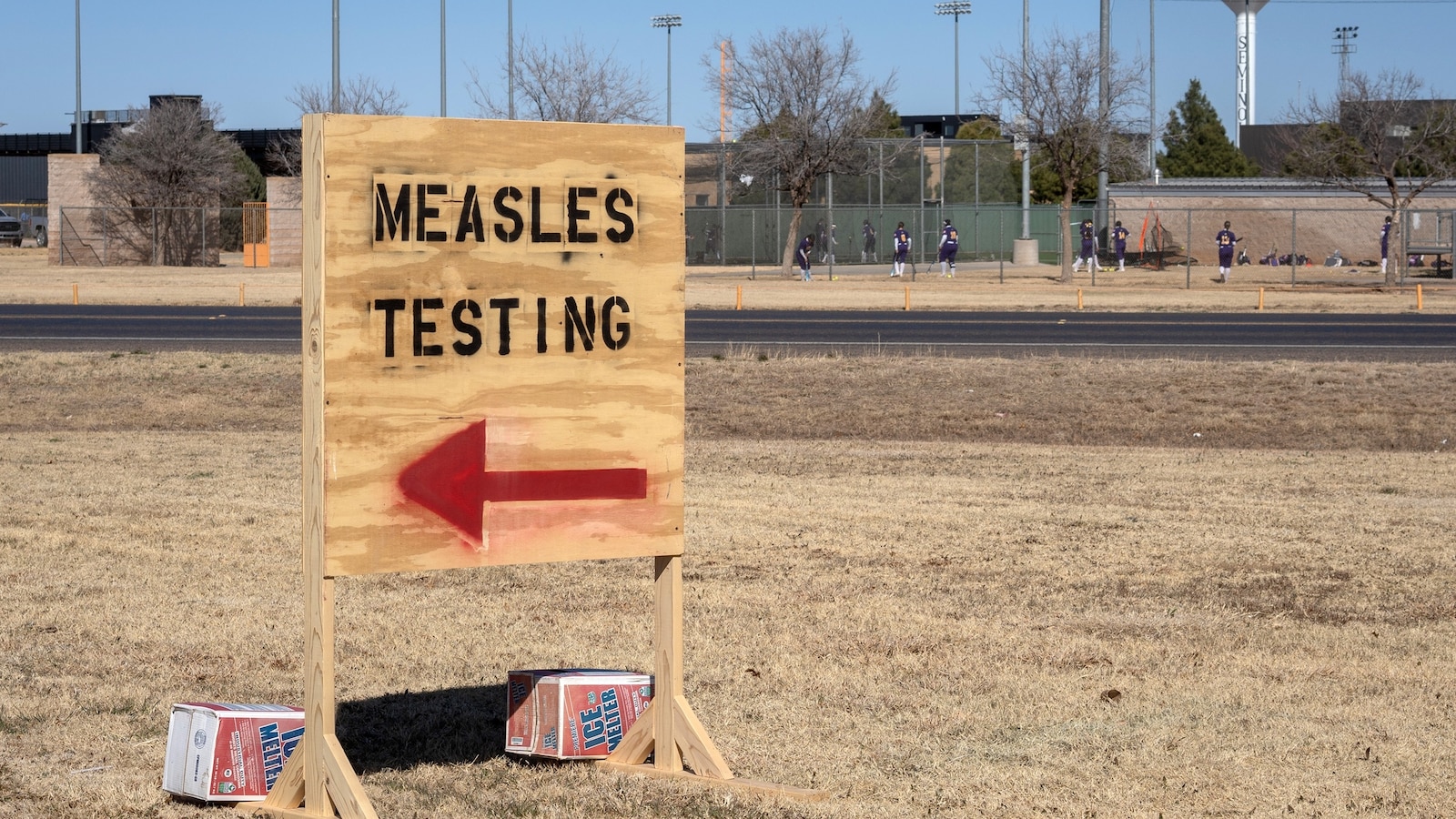
Measles Is Back in the US: What You Need to Know Now

Measles Is Back in the US: What You Need to Know Now

Measles is officially back in the United States. Health officials are warning people about new cases across the country. Families need to know what is happening and how to protect themselves today.

Why Is Measles Back in the United States?

Health groups confirmed that measles is spreading in the country again. This sickness travels fast from person to person through the air when someone coughs or sneezes. It can stay in a room for hours after an sick person leaves. Many people thought this illness was gone for good, but low vaccination rates in some areas let it come back.

When fewer people get their shots, the whole community loses its safety net. Doctors say that high vaccination rates are needed to keep this sickness from spreading. Without that protection, kids and adults can catch it very easily. Health workers are now looking closely at local outbreaks to stop the spread as fast as they can.

What Are the Measles Symptoms to Watch For?

This sickness usually starts with a high fever, a cough, a runny nose, and red eyes. A few days later, a red rash breaks out on the skin. It often starts on the face and spreads down to the rest of the body. People who get sick often feel very tired and sore for many days.

It is important to catch these signs early to protect others. If you see these signs, call a doctor right away before going to a clinic. Calling ahead helps the clinic keep other people in the waiting room safe from getting sick. Here are the main signs to watch for:

  • High fever that starts fast
  • Cough and runny nose
  • Red or watery eyes
  • Red rash that spreads down the body

How Can You Protect Your Family Right Now?

The best way to stay safe is to make sure everyone in your house has their shots. The standard vaccines work very well against this sickness. Most people get these shots when they are young children. If you are not sure about your records, your local doctor can check them quickly for you.

Washing your hands often and staying away from sick people also helps a lot. If someone in your house gets sick, they should stay home from school or work. Keeping sick people at home stops the virus from reaching neighbors and classmates. Taking these small steps today keeps the whole community safer.

What Should You Expect Next from Health Officials?

Local health departments are working hard to track every new case. They are telling the public where sick people went so others can check their own health. You will likely see more updates from doctors and public health leaders in the coming weeks as they work to contain the virus.

Schools and daycares may check health forms more closely now. Some places might ask unvaccinated kids to stay home if a case shows up nearby. Staying informed by checking local news will help you react quickly if cases pop up in your town. Taking action early is the best way to keep your family healthy.

Marco Rubio Is the New Secretary of State

Marco Rubio Is the New Secretary of State

Secretary of State Marco Rubio is now officially on the job at the U.S. Department of State. This big update comes straight from the official government sources today. People across the country are watching to see what the United States Secretary of State will do next.

Who is Marco Rubio and what is his new job?

Marco Rubio now leads the entire U.S. Department of State. This agency handles how the United States works with other nations around the globe. It is one of the top jobs in the entire American government.

Many people know him from his past work in Washington. Now, as Marco Rubio takes the helm, he will speak for the country on big global issues. His choices will shape how the nation deals with friends and rivals overseas.

What does the Secretary of State do every day?

The person in this job spends a lot of time meeting leaders from other countries. They work hard to keep the nation safe and to make good trade deals. Every chat and every treaty goes through this important office.

Ordinary citizens might not think about foreign policy very often, but it affects gas prices, travel, and safety. When the top diplomat travels the world, it sets the tone for peace or tension. That is why this news matters so much to everyday families at home.

What is next for the Department of State?

With a new leader in place, the agency will start rolling out new plans and goals. Staff members and diplomats will get new instructions on how to handle major world events. Everyone is waiting to see the first big speech or foreign trip.

Here are the main things to watch for in the coming weeks:

  • New meetings with foreign leaders
  • Announcements on global safety policies
  • Changes to how the department runs its daily work

Only time will tell how these new steps will play out on the world stage. For now, all eyes are on Washington as the transition wraps up.

The Stolen Painting That Came Home After Decades

The Stolen Painting That Came Home After Decades
Photo: Wikimedia Commons

A Georgia O'Keeffe painting was buried in a New York apartment closet for years. Now, this missing art piece is finally going up for auction.

Lost art often stays gone forever. But sometimes, a long lost item turns up in an ordinary place, just like the Girl Falls from Plane in Jungle and Walks Out Alive story.

How Lost Art Hides in Plain Sight

People lose valuable things all the time. But finding a famous painting in a dark coat closet sounds like a movie plot.

Think about what you keep in your own closet. Old shoes, winter coats, and boxes of papers probably fill your shelves. You rarely expect to find a masterwork worth a lot of money behind your old jackets.

Art experts deal with missing pieces every single week. They hunt through public records, old police reports, and dusty basements. Sometimes they get lucky because a family member cleans out a relative home. That is usually how hidden treasures come back to the light.

The Stolen Painting That Came Home After Decades
Photo from the web

Where Do All the Missing Masterpieces Go?

You might wonder where these expensive items hide for so many years. The truth is simple. They end up in normal houses, garages, and storage units.

A French museum used wanted posters recently to find a painting looted back in 1940. Posters on city walls helped people spot lost history hanging on a neighbor wall. It just takes one sharp pair of eyes to notice a famous canvas in the wrong place.

Another wild story involves a Nintendo worker who saved a 1981 Donkey Kong painting from the trash. He tucked it safely inside a coffee table for decades. Think about putting your coffee mug on top of a hidden treasure every single morning without knowing it.

If you love reading about real people caught in wild situations, you can check out this Human-interest story collection to see how real lives cross paths with history.

What Happens When a Stolen Painting Returns?

Bringing a stolen work of art back home takes a lot of time. Lawyers and art dealers have to agree on who owns the piece now.

A huge Van Gogh painting worth one hundred eighty million dollars sat at the center of a Nazi era dispute. People argued over who should get it for years. A last minute agreement finally settled the fight, and the canvas is set for an upcoming auction.

Sometimes people spend thirty years fighting just over moving a box. Legal battles over old property drag on until everyone is exhausted. Money and history mix together in messy ways that take decades to untangle.

Have you ever wondered what you would do if you found a million dollar painting in your attic? Most people would call the police or a museum right away. Others might panic and hide it all over again.

Why Do We Care About Found Art?

Stories about found art touch a nerve because we all love a good comeback. We want to see lost things find their way home again.

When a piece of history survives a war, a theft, or a dark closet, it feels like a small miracle. It connects us to the people who made it long ago.

You can read more about art discoveries and other amazing true stories that sound too wild to be real. Every find tells a story about human greed, luck, and patience.

Take a look around your own house today. Is there anything special hiding in your closet right now?

The Role of Detectives Who Hunt Art

Finding missing paintings takes a special kind of police work. Art detectives do not chase bank robbers or car thieves all day. They spend their time looking at old auction catalogs and tracking down shady dealers across the globe.

These investigators work closely with museums and governments. When a masterpiece vanishes, they build a file with every detail about the canvas, the frame, and the artist signature. Sometimes they wait for years until a thief tries to sell the item online or through a private buyer.

Most people do not realize how easy it is to smuggle cultural treasures across borders. A rolled-up canvas fits neatly inside a regular suitcase. Because borders can be porous, stolen items often travel to different countries before anyone notices they are gone.

How Families Rediscover Forgotten Wealth

Estate sales and attic cleanouts often lead to the most surprising art discoveries. When older relatives pass away, younger family members usually have the job of sorting through decades of accumulated belongings.

Here are the common places where families stumble upon forgotten valuables:

  • Behind heavy furniture that has not moved in fifty years.
  • Inside old steamer trunks packed with family letters and photos.
  • Rolled up in cardboard tubes stored in damp basements.
  • Hanging in plain sight on a guest room wall with a fake signature.

Relatives usually assume these items are worthless prints bought at a local department store. They have no idea that a genuine masterpiece has been hanging above their grandparents sofa for generations.

The Steps Taken Before an Auction

Once a lost painting finally comes to light, the journey to the auction block is far from simple. Experts must perform rigorous tests to prove the canvas is authentic.

Scientists use ultraviolet light and X-rays to look beneath the top layers of paint. They check for signatures, repairs, and older sketches hidden underneath the final image. Art historians study the brushstrokes to confirm the exact style of the painter.

Insurance companies also get involved early in the process. If a previous owner collected a payout when the painting was first stolen, ownership rights can become a legal nightmare. Lawyers must resolve these claims before the auction house can accept the artwork for sale.

Why Collectors Pay Millions for Recovered History

Buyers at high-end auctions love a good narrative. A painting with a dramatic history of theft, loss, and recovery always commands a higher price than a piece that simply sat in a clean gallery for a century.

The danger and mystery add an invisible layer of value to the canvas. Collectors want to own a piece of history that survived wars, fires, and criminal plots. Standing in a brightly lit auction room, bidders raise their paddles high to secure a legendary item that almost disappeared forever.

When the final hammer falls, a new chapter begins for the artwork. It moves from a dusty closet or a secret hiding spot into a secure, climate-controlled gallery where the public can finally enjoy its beauty once again.

Girl Falls from Plane in Jungle and Walks Out Alive

Girl Falls from Plane in Jungle and Walks Out Alive
Photo: Art Institute of Chicago

Juliane Koepcke fell two miles out of the sky and survived. She was just seventeen years old when her plane broke apart over the South American rainforest on Christmas Eve. Wrapped in her seat, she hit the thick green trees and woke up alone in the dark, surrounded by the deep sounds of wild animals.

Her story is one of the most unbelievable moments of human strength ever recorded. She did not give up, cry for help, or wait to die in the mud. She stood up on a broken collarbone, fixed her eyes on the ground, and walked through the wild for eleven days until she found safety.

What Really Happened High Above the Green Canopy

The sky was bad that afternoon. Lightning struck the right wing of the LANSA Lockheed Electra plane while it flew through a dark storm. The whole aircraft split open high above the thick leaves of the Peruvian wilderness. Juliane fell out into the cold air while still strapped into her blue flight chair.

Think about that scary moment for a second. You are sitting next to your mother, talking about holiday plans, and then there is only wind and noise. The chair spun around as it dropped through the clouds. The thick branches of the tall trees slowed her long fall just enough to save her life. When she hit the forest floor, the soft dirt absorbed the rest of the shock.

She woke up the next morning. Her glasses were gone, one eye was swollen shut, and her shoulder hurt with a sharp bite. But she was alive. She checked her body for broken bones and realized she could still stand up. It was Christmas Day, and she was all alone in one of the hardest places on Earth.

Girl Falls from Plane in Jungle and Walks Out Alive
Photo: Wikimedia Commons

How She Used Smart Thinking to Stay Alive

Juliane was not an average teenager in the wilderness. Her parents were natural scientists who ran a research house right in the forest. She had spent months learning how the wild works. She remembered one main rule her father taught her: water always flows down to bigger water, and bigger water leads to people.

She found a tiny trickling stream near the crash spot. The sound of running water gave her a path to follow. Walking through the thick bush was slow work. Spiders, big snakes, and biting bugs covered the plants around her. She had only one small shoe, a short summer dress, and a bag of sweet candy she picked up from the broken plane. You can learn more about survival skills that keep people alive in hard places like this.

The heat was heavy every single afternoon. Rain poured down constantly, soaking her clothes and keeping her cold at night. Her small skin cut got infected with tiny worms that crawled under her skin. Still, she kept her eyes on the moving stream. Step by step, the small trickling water turned into a wider brown river.

The Eleven Days of Danger in the Wild

Days went by fast, but the walking felt like it took forever. Juliane could hear search planes flying high above the trees. The green leaf roof was so thick that the pilots could not see a small girl down on the ground. She waved her arms, but the engines just faded away into the distance.

She knew no one was coming to lift her out of the deep woods. Her life was in her own hands. Hunger made her head hurt, and the sweet candy was long gone. She drank dirty brown water straight from the river to keep her throat wet. Stingrays swam near her feet, and big alligators rested on the muddy sand banks.

Why did the dangerous wild animals leave her alone? She stayed in the middle of the deep water where the current was strong. Floating down the middle was scary, but it kept the snakes on the banks away from her legs. She kept swimming down the river, day after hard day, hoping to see a house or a boat. For more real survival moments, read about how He Voyaged on the Ship as a Boy and Recorded Its Final Journey.

Finding the Small Log Cabin on the Bank

On the tenth day, Juliane floated around a bend in the river and saw a wooden boat tied to the shore. A small path led up the muddy bank to a simple log shelter. She crawled up the dirt on her hands and knees. The shelter was empty, but it had a roof that kept the heavy rain off her skin.

Inside the cabin, she found a small can of gasoline for the boat engine. She remembered her father using gas to get bugs out of dog skin. She poured the smelly fuel over her sore arm, and dozens of worms crawled out of her skin cut. The pain was awful, but she cleared out the infection so her body could rest.

She lay down on the hard floor boards and fell fast asleep. She was too tired to move any further. If no one came to that cabin, she knew she would not wake up again. The wild river had taken almost everything she had left inside her.

The Forest Workers Who Found Her Just in Time

The next morning, three Peruvian forest workers walked up the path to their cabin. They stopped cold when they saw a thin girl lying on the floor. Her skin was dark from dirt, her dress was torn, and her eye was red and swollen. At first, they thought she was a water spirit from an old jungle tale.

Juliane spoke to them in clear Spanish. She explained that she was a passenger from the lost plane that fell out of the sky. The men gave her fresh bread, washed her sore cuts, and put her in their long wooden boat. They rowed her down the big river for seven long hours to reach a local town with a doctor.

News of her safety spread around the world like wildfire. Rescue teams could hardly believe a young girl survived the long fall and the tough trek. Out of ninety-two people on that flight, Juliane was the only one who came out alive. Her story is a great example of a classic human-interest story that people remember for decades.

Why Her Miracle Story Still Touches Us Today

Her long walk out of the dark woods shows us how strong a person can be when everything goes wrong. She did not have high tech tools or thick boots. She had basic knowledge, a quiet mind, and a deep wish to see her father again. That simple focus kept her heart beating through eleven nightmarish days.

Her story reminds us that simple knowledge can save a life when bad times hit. Knowing which way water flows was the one fact that brought her back to safety. It shows that staying calm when you are lost is always better than running around in a panic. Check out more incredible tales on our main news page about true stories that break all the rules.

What would you do if you found yourself alone in the deep wild? Would you sit down and wait for rescue, or would you follow the nearest stream into the unknown? Think about Juliane next time you face a tough problem, and remember that small steps forward will always take you home.

He Voyaged on the Ship as a Boy and Recorded Its Final Journey

He Voyaged on the Ship as a Boy and Recorded Its Final Journey

A person who voyaged on a ship as a boy has now recorded its final journey. The New York Times shared this unique story about a person seeing a major piece of history come to an end. It is rare for someone to experience a vessel in their youth and then witness its very last trip years later.

What is the final journey of the ship?

The news focuses on a person who was once a young passenger or crew member on a boat. Years later, that same person was present to capture the final moments of the ship. This creates a strong link between past memories and current events. Many people feel a deep connection to historic boats, much like the famous ones studied in history books such as the Fourth voyage of Columbus.

Recording the end of a vessel is not just about video or audio. It is about saving a memory that many people care about. When a ship finishes its life, it takes a piece of history away with it. Having someone who knew it as a boy makes the story much more personal for everyone reading it.

Why do people care about old ships?

Historic boats have always captured the imagination of the public. They represent adventure, travel, and a different way of life from the past. When a familiar vessel makes its last trip, it marks the end of an era. People love to read about these events because they remind us of how fast time moves forward.

This event also brings back stories of other famous vessels from the past. Readers often think about long journeys across the ocean and the brave people who took them. Just like historical accounts found in the history of the Batavia (1628 ship), watercraft have always played a huge role in human history. Every time a notable boat ends its service, it feels like losing an old friend.

What happens next for the vessel?

  • The final journey is recorded on film.
  • The boy from the past shares his view.
  • The public reacts to the end of the ship.

Now that the final journey is recorded, the big question is where the footage will go. Fans of maritime history will likely look for ways to watch the final trip. It provides closure for anyone who followed the life of this specific boat over the years.

As time goes on, more historic vessels will reach the end of their service. This story sets an example of how people can honor old boats. Watching a childhood memory sail away for the last time is a powerful moment that few people get to experience.

The man who survived two atomic bombs in history

The man who survived two atomic bombs in history
Photo: Wikimedia Commons

Tsutomu Yamaguchi is the only person to officially survive two atomic bombs during World War Two. He sat in a hospital room in Nagasaki on August 9, 1945, and told his boss about the blast in Hiroshima three days before.

The short answer is that bad luck brought him to Hiroshima on a business trip, and worse luck put him back home in Nagasaki when the second bomb fell. He lived through both blasts, healed from terrible burns, and lived to be ninety-three years old.

How one man was caught in two wars at once

Tsutomu worked for a big ship company in Japan named Mitsubishi. His job was to draw up plans for oil tankers. The company sent him to Hiroshima for a three-month work trip in the summer of 1945. Trains were slow, and materials were hard to find. He just wanted to finish his work and go home to his wife and baby son.

August 6 started like any other hot morning. Tsutomu walked to the shipyard with two co-workers named Akira and Kuniyoshi. They stopped to talk near a bridge. Suddenly, a bright flash lit up the sky like a giant magnesium flare in the dark. Tsutomu later said it looked like the light of a lightning bolt born in a room.

He had just enough time to drop to the ground and shut his eyes. The shock wave hit him like a physical wall and threw him into a potato patch. When he opened his eyes, the city of Hiroshima was on fire. His face and arms were badly burned, and his favorite shirt was burned right off his skin.

You can read more about Tsutomu Yamaguchi and the Story of the Man Who Survived Two Atomic Bombs to understand the full timeline of those terrible days. He spent that first night in an air raid shelter with dead bodies all around him. He did not know if his family was safe, and he could barely see out of his swollen eyes.

The man who survived two atomic bombs in history
Photo: Wikimedia Commons

The long train ride back to Nagasaki

Morning came, and Tsutomu walked through the ruins to find the train station. Burned trams sat on the tracks. People walked in lines like ghosts with their skin hanging off their hands. He managed to board a train that carried wounded people south toward home.

He reached Nagasaki on August 8. He went straight to the Red Cross hospital to get his burns treated. The nurses did not know what to do with his red, peeling skin. They put bandages on his face and hands, and sent him home to rest with his family.

August 9 arrived with rain and gray clouds. Tsutomu felt terrible pain, but he went to work anyway. He sat in an office with his boss and tried to explain what happened in Hiroshima. His boss looked at him and said he was crazy. No single bomb could destroy a whole city.

Right at that exact second, the office filled with a blinding white light. The windows shattered into a million sharp pieces. Tsutomu was thrown across the room and buried under a pile of wood and glass. The second bomb, named Fat Man, had just exploded over Nagasaki.

What happened to Tsutomu Yamaguchi after the war?

His house was partially destroyed, but his wife and baby son were safe in a tunnel outside the city. Tsutomu thought the radiation curse had followed him home from Hiroshima. His hair fell out in clumps, and he threw up for weeks. His fever stayed high, and he lost a lot of weight.

Japan surrendered a few days later, and the war finally ended. Many people who survived the atomic bombs were treated badly by other citizens. Neighbors were afraid that survivors carried a strange disease, or that their children would be born sick. Tsutomu kept his story a secret for many years to protect his family.

He took a job as a translator for the American military forces during the occupation. Later, he became a school teacher and taught English to young kids. He lived a quiet life for decades and tried to forget the noise of the two blasts.

As he got older, his views changed. He decided that the world needed to hear what he saw. He wrote books of poetry about the bombings and spoke at the United Nations in 2006. He wanted leaders to ban nuclear weapons so no one else would ever suffer like that.

Did anyone else survive both atomic bombs?

People often ask if Tsutomu was the only one in this situation. The government of Japan officially recognized about one hundred and sixty-five people who were in both cities at the wrong time. Most of them were hurt in Hiroshima and then arrived in Nagasaki just in time for the second bomb.

However, Tsutomu was the only person who was officially certified by the government as a double survivor of both attacks. His medical records and work papers proved his exact location on both days. You can check how people pass down these details through generations by reading about Oral history in archives around the world.

His story sounds like a bad movie plot, but every part of it is true. He lived through fires, black rain, and radiation sickness. He survived because he reacted fast in Hiroshima and found shelter behind a strong wall in Nagasaki.

If you want to read more anchor text about the topic, you can find many accounts of regular people who faced impossible odds and lived to talk about it.

Tsutomu passed away in 2010 at the age of ninety-three. His life shows how strong the human body can be, even when history turns against us. Think about his long train ride home the next time you feel like your week is going badly.

Tsutomu Yamaguchi and the Story of the Man Who Survived Two Atomic Bombs

Tsutomu Yamaguchi and the Story of the Man Who Survived Two Atomic Bombs
Photo: Wikimedia Commons

Tsutomu Yamaguchi lived through the most terrifying event in history not once, but twice. He was in Hiroshima when the first atomic bomb fell, and three days later, he was in Nagasaki when the second one hit. It sounds like a movie script, but every second of his story is true.

Most people cannot imagine being near a single nuclear blast. Yamaguchi felt the heat and heard the roar of two different suns falling to earth in the same week. He didn't just survive. He lived to be 93 years old and spent his life telling the world why these weapons should never be used again. This is the story of how one man beat the impossible odds of war.

The first blast in Hiroshima changed everything

On August 6, 1945, Yamaguchi was a young engineer for Mitsubishi Heavy Industries. He had been away from home for three months on a business trip. He was actually getting ready to leave Hiroshima that very morning. He realized he had forgotten his travel permit and had to go back to the shipyard to get it. That one small mistake saved his life because it put him further from the center of the city.

At 8:15 AM, he was walking toward the shipyard when he heard the sound of a plane. He looked up and saw the B-29 bomber, the Enola Gay, drop a small object attached to a parachute. A few seconds later, the sky turned into a blinding flash of light. Yamaguchi said it was like the lightning of a huge magnesium flare. He had just enough time to dive into a ditch and cover his eyes and ears before the world exploded.

The blast threw him through the air. He felt a heat so intense it felt like his skin was melting. When he opened his eyes, the sky was black with dust and ash. He was less than two miles from the point of impact. His eardrums were blown out, his left side was badly burned, and he was in deep shock. Even in that state, he found the strength to crawl toward the shipyard to find his friends.

He spent the night in a crowded air-raid shelter with other survivors. The pain from his burns was constant. He couldn't hear much because of his damaged ears. Despite the chaos, he knew he had to get home to his wife and son. The next day, he dragged himself through the ruins of Hiroshima to the train station. The city was a wasteland of fire and smoke, but somehow, the trains were still running. He boarded a car filled with people who looked like ghosts and headed for his hometown, Nagasaki.

Tsutomu Yamaguchi and the Story of the Man Who Survived Two Atomic Bombs
Photo: Wikimedia Commons

A second sun over Nagasaki

Yamaguchi arrived in Nagasaki on August 8. He went straight to the hospital to see a doctor he knew. The doctor was a childhood friend, but the man didn't even recognize Yamaguchi at first. His skin was blackened from burns and his face was swollen. After getting some basic bandages, he went home. His wife and mother were terrified when they saw him, thinking he was a spirit back from the dead.

Even though he was covered in bandages and shaking with fever, his bosses at Mitsubishi wanted him to report for work. On the morning of August 9, he sat in an office in Nagasaki explaining the Hiroshima blast to his supervisor. His boss didn't believe him. He told Yamaguchi that a single bomb couldn't destroy a whole city. He thought Yamaguchi had gone crazy from the stress of the war.

Right as his boss was arguing with him, the second bomb fell. It was 11:02 AM. The windows of the office shattered into a million pieces. The bandages that were already on Yamaguchi's body were blown off by the pressure. For the second time in three days, he was hit by the heat and light of an atomic blast. This time, he was again about two miles from the center. Because the landscape of Nagasaki was hilly, the hills blocked some of the blast, which likely saved his life again.

He rushed home to find his house in ruins. He feared the worst for his family, but luck was on his side once more. His wife and son had gone out to buy burn ointment for him. When the bomb hit, they had taken cover in a tunnel. If he hadn't been injured in Hiroshima, they might have been at home in a more dangerous spot. It is a strange thought to realize his first set of injuries helped save his family from the second bomb.

How did he survive the radiation and the wounds?

Many people ask, how did one man survive two atomic bombs when so many others died? Part of it was pure distance. In both cities, he was about two miles away. Any closer and the heat would have turned him to ash instantly. Any further and he might have been hit by more falling buildings. He also knew to drop to the ground and cover his face, which prevented the blast from crushing his lungs.

The bigger threat was the invisible killer: radiation. After the second bomb, Yamaguchi became very sick. His hair fell out, his wounds wouldn't heal, and he vomited for weeks. At the time, doctors didn't have a CDC Issues New Report on Measles Cases and Outbreaks to help them understand how to treat mass illness, so they did their best with what they had. He spent years recovering, and for a long time, he felt weak and tired.

Survival in these cases often comes down to basic survival skills like finding shelter and staying hydrated. Yamaguchi was a strong man with a will to live for his family. He eventually regained his health and went back to work. He even had two more daughters later in life. While he suffered from the effects of radiation for decades, his body was remarkably tough. He lived through the worst weapons ever made and still managed to live a full, long life.

It was not just physical strength that kept him going. He had a story to tell. For many years, he stayed quiet about what happened. He wanted to live a normal life and raise his kids. But as he got older, he saw the world starting to forget the horrors of nuclear war. He decided he couldn't stay silent anymore. He became a "hibakusha," which is the Japanese word for a person affected by the bomb.

Becoming a voice for peace in his final years

Yamaguchi didn't want to be known as just a victim. He wanted to be a witness. In his 80s and 90s, he began writing books about his experience. He traveled to the United Nations in New York to speak to world leaders. He told them that he had been hunted by the atomic bomb twice, and he hoped he would be the last person to ever say that. You can read more about people like him in this extraordinary story of human survival and grit.

In 2009, the Japanese government finally officially recognized him as a "double hibakusha." This was a big deal because while others were known to have been in both cities, he was the first to have it legally recorded. He didn't care much about the fame. He just wanted the truth to be in the history books. He often said his double survival was a gift from God, or a sign that he had a job to do.

He passed away in 2010 from stomach cancer. Even on his deathbed, he was talking about peace. His life is a reminder of how fragile we are, but also how strong the human spirit can be. He saw the very worst thing humans could do to each other and he didn't come out of it with hate. He came out of it with a message of love and a warning for the future. He was a normal man who lived through an abnormal time.

When we look at history, we often see numbers and dates. We see "August 6" or "140,000 deaths." But Yamaguchi's story puts a face on those numbers. It reminds us that every person in those cities had a family, a job, and a life they wanted to get back to. His walk from the shipyard to the train station is one of the most incredible journeys ever taken. He walked through fire twice and kept walking until he reached the end of a long, peaceful life.

What would you do if you were in his shoes? Most of us like to think we would be brave, but Yamaguchi showed us that survival is often about just taking the next step. He didn't know he was making history. He just knew he wanted to see his wife and son again. That simple human desire is what kept him moving through the black rain and the ruins. It is a story that makes you want to hug your family a little tighter tonight.

Think about the small things that happen in your day. For Yamaguchi, forgetting a piece of paper meant he lived. Sometimes the things we think are mistakes are actually the things that save us. Have you ever had a moment where a small delay changed everything for you? It is worth thinking about how lucky we are to live in a time of peace.

CDC Issues New Report on Measles Cases and Outbreaks

CDC Issues New Report on Measles Cases and Outbreaks

The Centers for Disease Control and Prevention just released fresh data on measles cases and outbreaks across the country. Federal health experts track these numbers closely to help local clinics spot sick patients early. The new numbers remind families to know the signs of the virus and check their family health records.

What are the symptoms of measles?

Measles is a virus that spreads through the air when a sick person coughs, sneezes, or talks. Common symptoms include a high fever, a runny nose, a bad cough, and watery red eyes. Small white spots can appear inside the mouth a few days before a red skin rash breaks out across the body.

The virus moves very quickly among people who do not have protection against it. Anyone who thinks they caught the virus should call their doctor before walking into a waiting room. That simple phone call keeps other patients safe from getting sick.

What to know about measles cases and outbreaks

Health departments use these federal updates to track where the virus spreads from town to town. Public health workers track down everyone who shared air with a sick person to stop the spread early. Learning about the Measles resurgence in the United States shows why quick tracking matters so much for public safety.

Here are key facts about how communities handle the virus:

  • Health teams trace contacts as soon as a laboratory confirms a positive test result.
  • Patients must stay home from school or work while they carry the virus.
  • Clinics offer shots to exposed people within a few days to block severe illness.
  • Local hospitals set up special rooms so germs cannot drift into public hallways.

Why are measles cases rising again?

Measles was once almost completely gone in the country because most children got their standard shots before starting school. Today, fewer people in some towns have full protection, which gives the germ an easy path to spread. Past events like the 2019, 2020 measles outbreaks proved that one sick traveler can start a large chain of illness in under-vaccinated pockets.

Most outbreaks start when someone catches the virus while visiting another country and brings it back home. If that person visits crowded spaces with unvaccinated people, the germ spreads in hours. Keeping community numbers high is the only way to shield newborn babies and people who are too sick to get shots.

How can you protect your family today?

The best step for parents is to check regular health records with their family doctor. Doctors can quickly see if children have their standard shots or need a missing dose. Adults can also ask for a simple blood test that shows if they still have strong protection from their childhood.

Health departments encourage people to wash their hands often and stay home whenever they feel sick. Schools and daycares will continue to watch for children with rashes and high fevers. Taking these basic steps now helps keep classrooms open and keeps your neighborhood healthy all year.

The Dog That Waited Ten Years at a Station

The Dog That Waited Ten Years at a Station
Photo: Wikimedia Commons

Hachiko the dog waited at Shibuya Station every single day for nearly ten years after his owner died. It is a story that proves love does not have a clock or a calendar. People in Tokyo still talk about him like he is a hero because his loyalty was so pure it felt almost human.

He was an Akita dog who lived in Japan in the 1920s and 1930s. Every afternoon at 3:00 PM, he would sit by the station exit to meet Professor Hidesaburo Ueno. When the professor died suddenly at work, the dog did not stop going. He went back to that same spot every day for 3,646 days until he died himself. It is a story about a bond that even death could not break.

Who was Hachiko and why did he wait?

Hachiko was born on a farm in 1923. He was a golden-brown Akita, which is a big, strong breed of dog from the mountains of Japan. Professor Ueno, who taught at Tokyo University, took him in as a puppy. They became best friends right away. The professor did not have children of his own, so he treated the dog like a son. They walked together every morning to Shibuya Station. The dog would watch his master get on the train, then he would walk back home alone. At exactly 3:00 PM, he would walk back to the station and wait for the professor to step off the train. They did this every single day for over a year.

One day in May 1925, the professor suffered a brain bleed while he was giving a lecture at the university. He died instantly. He never made it to the train that day. Back at the station, Hachiko sat and watched the crowds of people coming through the gates. He looked at every face, waiting for the one man who always gave him a pat on the head. The sun went down, the station got quiet, and his master never showed up. Most dogs might have given up after a few hours, but Hachiko stayed until the last train had passed. He finally went home, but he was back the next day at 3:00 PM sharp.

This was not just a one-time thing. The professor's family tried to give the dog away to new owners who lived miles away. Hachiko would run away and head straight back to the old house. When he realized the professor was not there, he went back to the station. He knew the schedule better than some of the workers did. He became a fixture of the neighborhood, a silent brown dog sitting among the busy commuters. You can read more about things that get lost and found in The Stolen Painting That Came Home After Decades which shows how long some things take to return.

The Dog That Waited Ten Years at a Station
Photo: Wikimedia Commons

Life on the streets of Shibuya

For the first few years, life was hard for the waiting dog. The station workers and the people selling snacks did not always want him there. Some people would pour water on him or kids would tease him. He was just a stray dog in their eyes. He slept under old train cars or on the cold ground to stay near the tracks. He grew thin and his coat got dirty. He had scars from fights with other dogs. Yet, every day at 3:00 PM, he stood up, shook off the dust, and walked to the exact spot where his master used to appear.

Things changed in 1932 when one of the professor's old students saw the dog. He was an expert on Akita dogs and was shocked to see one living as a stray. He followed Hachiko home to find out the truth. When he heard the story from the professor's old gardener, he began to write about it. He sent a story to a big newspaper in Tokyo. The headline told the world about the faithful dog who had been waiting for seven years. Suddenly, Hachiko was a star. People started coming from all over Japan just to see him and bring him treats.

The station workers who used to shoo him away started to build him a bed. They gave him food and kept him warm in the winter. He became a symbol of what it means to be a true friend. It is a great example of a Human-interest story that touches everyone who hears it. People saw their own hopes and losses in the dog. He was not just waiting for a man; he was keeping a promise that no one asked him to make.

The final years of the wait

As the years went by, Hachiko grew old and slow. He had arthritis and his ears began to droop. He was almost blind in one eye. Even so, he never missed a day. Think about that for a second. Ten years is a long time for a human, but for a dog, it is almost an entire lifetime. He spent nearly his whole life waiting for a man who was never coming back. He became a living statue. In 1934, the people of Tokyo even built a bronze statue of him while he was still alive. He was actually there at the opening ceremony, sitting next to his own likeness.

On March 8, 1935, Hachiko was found dead on a street near the station. He was eleven years old. He had waited for nine years, nine months, and fifteen days. When the news broke, the whole city went into mourning. They brought his body into the station waiting room so people could say goodbye. He was covered in flowers. It felt like a member of the family had died. Even the station workers cried. They realized the brown dog would not be there at 3:00 PM the next day.

Scientists later found that he had cancer and worms in his heart. He must have been in a lot of pain for a long time. But he did not let the pain stop him from his duty. He lived for that one moment every day when the train doors opened. His story is kept alive today through Oral history and books that parents read to their children. It teaches kids about loyalty before they even know what the word means.

Why do we still love this story?

Why do we care so much about a dog from a hundred years ago? It is because we all want to be loved that much. We want to know that if we go away, someone will remember us. Hachiko did not want fame or snacks. He just wanted his friend. In a world where things change so fast, his steady heart is a comfort. You can find more stories about loyalty and amazing animals on our main page. It shows that some bonds are stronger than time itself.

Today, if you go to Shibuya Station, you will see a huge crowd of people. Most of them are standing near the "Hachiko Exit." There is a bronze statue there that is the most famous meeting spot in the world. If you tell a friend to meet you in Tokyo, you just say "meet me at the dog." It is a bit ironic. The dog who spent his life waiting for someone who never came is now the reason millions of people find each other every year. He helps friends connect every single day.

There is also a small spot next to Professor Ueno's grave where some of Hachiko's remains were buried. After eighty years apart, they were finally put back together. It is a happy ending to a very sad story. It reminds us that being loyal is one of the best things a living creature can be. Even if the person we love is gone, the love we have for them stays real. It stays as real as a dog waiting by a train gate in the rain.

What Hachiko teaches us about being human

We often think we are the smart ones because we have jobs and schedules. But Hachiko had a schedule that was powered by his heart. He did not need a watch to know it was 3:00 PM. He felt it. He showed that love is not about what you get back. It is about what you give. He gave his whole life to a memory. Some people say it is sad, but others think it is beautiful. He had a purpose. He knew exactly where he belonged every afternoon.

When you feel lonely, think about the dog at the station. Think about how much capacity for love there is in the world. If a dog can be that faithful, maybe we can be a little better to our friends too. We can show up when we say we will. We can remember the people who helped us, even after they are gone. Hachiko was just a dog, but he lived a life that was bigger than many people ever do. He stayed true until the very end.

The next time you are waiting for a train or a bus, look around. Think about the thousands of people who have stood in that same spot before you. Every one of them has a story. Every one of them loves someone. Hachiko represents all of us who are waiting for something or someone. He is a reminder that waiting is not a waste of time if you are waiting for love. Have you ever had a pet that showed you this kind of loyalty? It makes you wonder what they are really thinking when they watch us walk out the door.

Chikungunya in the United States Health Update

Chikungunya in the United States Health Update

The Centers for Disease Control and Prevention has shared new details regarding Chikungunya in the United States. This update gives people important facts about the virus and how it spreads across the country. Health experts want the public to stay informed about potential risks.

What is Chikungunya and how does it spread?

The virus known as Chikungunya is spread mainly by infected mosquitoes. People who get sick often suffer from sudden fever and joint pain. These symptoms can make it very hard to move around or do normal daily tasks.

Health agencies track these cases very closely to stop outbreaks before they grow. Learning about the Epidemiology of chikungunya helps scientists see where the virus travels. Ordinary people should keep up with these reports to protect their families.

What does this mean for ordinary people?

Families living in areas with high mosquito populations need to take extra steps. Wearing bug spray and long sleeves can lower the chance of getting bitten. Checking your yard for standing water also stops mosquitoes from laying eggs near your home.

Most people who catch the virus get better over time with proper rest and fluids. However, joint pain can sometimes last for many months after the fever leaves. If you feel sick after a bug bite, you should talk to a doctor right away.

What happened before this health update?

Health groups have tracked similar outbreaks in different parts of the world for many years. Past events like the 2013, 2014 chikungunya outbreak showed how fast the virus can move. Experts use data from those past years to plan for new risks today.

Research labs work hard to understand how the virus changes and grows stronger. Government programs also support the United States biological defense program to keep the public safe. These groups share new facts as soon as they have them.

What to watch next in this story?

Readers should watch for more updates from health officials as the seasons change. Warmer weather often brings more mosquitoes and a higher chance of new virus cases. Staying alert is the best way to keep your home safe.

  • Watch for local health warnings
  • Use bug spray outside
  • Empty standing water near home

More news will come out if the number of cases starts to rise. Check back here for the latest facts and safety tips from official sources.

The Stolen Painting That Came Home After Decades

The Stolen Painting That Came Home After Decades
Photo: Wikimedia Commons

The stolen painting known as the Woman in a Garden vanished from a museum in 1997 and stayed gone for over twenty years. Everyone thought the famous piece by Gustav Klimt was lost for good after thieves snatched it from a gallery in Italy. Then, a gardener found it tucked inside a hole in the same building's wall.

This story is about a lucky break that solved a mystery worth sixty million dollars. For twenty-two years, the frame sat empty while police searched all over Europe. In the end, the painting never actually left the grounds of the Ricci Oddi Gallery of Modern Art in Piacenza. It was sitting right under their noses the whole time.

How did the painting disappear?

Back in February 1997, the staff at the Ricci Oddi Gallery were getting ready for a big show. The gallery was busy with people moving things around. In the middle of the noise and work, someone noticed the Klimt was gone. The heavy frame was left on the roof, but the canvas had been cut out and taken away.

Police were confused because the security system didn't go off. They thought the thieves might have used a fishing line to hook the painting off the wall from a skylight. It sounded like a movie plot. People in the city were sad and angry. This was their most famous treasure, and now it was just a memory. You can read about other lost things in The Town That Was Buried And Found Again to see how history hides.

The search went on for months, then years. Detectives looked into art gangs and private collectors. They even questioned the gallery guards many times. Nothing worked. The case went cold, and the "Woman in a Garden" became one of the most wanted stolen paintings in the world.

The Stolen Painting That Came Home After Decades
Photo: Wikimedia Commons

Where was the Klimt painting found?

In December 2019, a gardener was cleaning up ivy from the outside walls of the gallery. He pulled back a metal panel that covered a small hole in the brick. Inside that hole, he saw a black trash bag. He thought it was just some old garbage left behind by workers or teens.

When he opened the bag, he saw a face looking back at him. It was the woman from the painting. She had dark hair and a pale face, painted with soft greens and browns. The gardener couldn't believe his eyes. He had just found a treasure worth millions of dollars while doing a simple chore.

The painting was in surprisingly good shape. Usually, art gets ruined by heat or damp air. But the wall stayed cool and dry enough to keep the paint from peeling. It is a great example of a Human-interest story because it shows how a regular person can change history by accident. The gardener didn't want fame, he just wanted to finish his work.

Was the painting actually real?

As soon as the news broke, people started asking questions. Was it the real thing or a fake? Some thought the thieves put a copy in the wall to stop the police from looking for the real one. Others thought it might be a trick by the gallery to get more visitors.

Experts came from all over Italy to check the canvas. they looked at the brush strokes and the type of paint Klimt used. They also looked at the back of the painting. It had the right stamps and marks from when it was first bought. After a month of tests, they said it was 100 percent real. The "Woman in a Garden" was finally home.

The most amazing part was why the painting was special in the first place. Before it was stolen, a student found out that Klimt had painted this woman over another painting of a different woman. It was a "double" painting. This made it even more valuable to the art world. You can find more true stories about art and history that will blow your mind.

Who stole the painting?

Even though the painting was back, the mystery of who took it was still there. Shortly after it was found, two men wrote a letter to a local newspaper. They claimed they were the ones who stole it back in 1997. They said they put it back in the wall as a "gift" to the city because they felt bad about what they did.

The police looked into their story. It turned out these men were part of a group that did many robberies in the area years ago. They said they hid the painting in the wall just a few years after stealing it. They couldn't sell it because it was too famous, so they tucked it away and waited.

Is that the whole truth? We might never know for sure. Some people think the painting was in that hole for the full twenty-two years. Others think it was moved several times. The fact that the trash bag was clean made some experts doubt it was in the wall since the nineties. Still, the city was just happy to have their lady back on the wall.

What can we learn from this story?

This story shows us that some things are never truly lost. It took a lot of luck and a pair of garden shears to solve a crime that the best detectives in the world couldn't crack. It reminds us that the truth is often hiding in plain sight, just behind a layer of ivy or a thin metal door.

The Ricci Oddi Gallery now has much better security. They have cameras and alarms that would make any thief think twice. But they also have a new story to tell. Every person who visits the gallery now looks at that specific spot on the wall. They want to see the place where the masterpiece slept for two decades.

The painting is now behind thick glass. It looks as beautiful as it did over a hundred years ago when Klimt first finished it. The colors are still bright. The woman's eyes still look a bit shy. It is a miracle that it survived the trash bag and the damp wall. If you want to learn more about how people tell these kinds of tales, you can look at the study of Oral history and how memories are kept alive.

The next time you walk past an old building or a patch of thick ivy, think about what might be behind it. Most of the time it is just dirt or bricks. But every now and then, it might be something that the whole world has been looking for. What would you do if you found a million-dollar painting in your backyard? Would you know right away what it was?

The Town That Was Buried And Found Again

The Town That Was Buried And Found Again
Photo from the web

The town that was buried and found again is the lost village of Skara Brae in Scotland, hidden under the sand for thousands of years until a massive storm exposed it. Nature hid an entire community in plain sight on the wild coast of Orkney.

A huge gale in 1850 stripped away the thick grass and sand dunes on the shore of Skail Bay, revealing the stone walls of ancient houses built right into the earth. Local people suddenly saw low stone roofs and round rooms sticking out of the dirt, looking like ghosts from another time.

What Was Life Like In Skara Brae?

People lived in these underground stone homes over five thousand years ago, long before the great pyramids rose in Egypt. They built beds out of flat stone slabs and made cupboards in the walls to hold their personal items.

Ten small houses stood close together, linked by dark, low tunnels that kept the harsh winter wind outside. The wind howled off the cold North Sea, but inside, a central hearth burned bright with animal bones and dried seaweed for fuel.

Families caught fish in the cold waves and farmed small patches of barley in the salty air. They did not use metal tools because nobody had invented them yet. Instead, they shaped sharp deer antlers and hard whale bone into needles, axes, and beads.

You can read more about how people stayed alive in harsh places by looking at Survival skills to see how ancient tools worked. People back then had to be very smart with very little.

The Town That Was Buried And Found Again
Photo from the web

Why Did The People Leave Their Homes?

Nobody knows the exact day the villagers packed their bags and walked away from Skara Brae forever. Some experts think a huge sandstorm blew in over a single weekend and made life impossible.

Others believe the climate simply turned too cold and wet to grow food, forcing the families to pack up and move south. Whatever the reason, they left in a great hurry and forgot many everyday things behind them.

Archaeologists found carved stone balls, bone necklaces, and pottery bowls sitting right on the dirt floors. It was as if the residents just stepped out for a short walk and never came back.

Sometimes history feels very far away until you see a child's toy left in the dirt. You can also explore The Letter That Arrived Fifty Years Late to find another strange moment from the past.

How Did The Town Stay Safe Under The Sand?

Sand is actually a great protector for old things because it keeps the oxygen out and stops wood from rotting away. The heavy dunes acted like a giant wool blanket over the stone walls for more than forty centuries.

When the storm finally blew the sand away in 1850, the local laird named William Watt started to dig up the mounds. He wanted to see what was hiding underneath his property, and he uncovered four stone houses in the first few weeks.

More storms hit the coast over the next seventy years, threatening to wash the whole ancient village into the ocean. The government had to build a big concrete wall around the beach in the nineteen twenties to save the ruins from the waves.

If you want to understand how tales get passed down through the years, read about Oral history to see how communities remember their roots. Stories survive just as long as stones do.

Can You Visit The Buried Town Today?

Skara Brae sits right on the edge of the Orkney Islands, and thousands of travelers make the long trip north every single year. You can walk down the modern path and peer right into the ancient stone roofs.

The houses look smaller than modern rooms, but they feel very cozy with their stone seats and hearths in the middle. You can almost smell the wood smoke and hear the children playing in the dirt paths.

It reminds us that humans have always needed a warm fire and a safe roof over their heads. Even when the world changes completely, our basic needs stay the exact same.

Take a look at anchor text about the topic to find more stories about places that time tried to erase. What other secrets do you think are still hiding under the dirt near your home?

What Treasures Did They Leave Behind?

The items left inside the dirt houses tell a rich story about daily life in the old stone age. Archaeologists discovered shiny beads made from animal teeth and polished stones that women wore around their necks. They also found small bone pins that held warm wool clothes together before buttons were invented.

Every single home had a rectangular stone box built into the floor to keep fresh fish alive in water. People knew how to make the most of their dark spaces by carving tiny shelves right into the thick walls for their cups and bowls.

  • Carved stone balls with mysterious patterns
  • Sharp bone needles for sewing warm skins
  • Deep pottery bowls used for cooking hot food
  • Small animal teeth shaped into pretty beads

Children probably played games in the narrow paths between the dark homes while their parents worked. Finding these small toys makes the ancient villagers feel much closer to us today.

How Do Experts Protect The Ruins Now?

Protecting an old stone village right next to the wild sea takes a lot of hard work and careful planning. Scientists use special tools to scan the ground around the old settlement to see if more houses are still hiding under the grass.

Strong winds and salty sea spray can damage the exposed stone walls very quickly if workers do not watch them closely. Park rangers check the big concrete sea wall every single week to make sure the freezing waves do not break through to the historic site.

Visitors today must stay on marked wooden paths so their feet do not harm the fragile grass and dirt overhead. Keeping the ground stable stops the old roofs from sinking into the earth once again.

Future generations will still be able to look inside these cozy rooms and wonder about the people who walked the shores of Orkney long ago. History is always waiting for the next big wind to blow the cover away.

The Letter That Arrived Fifty Years Late

The Letter That Arrived Fifty Years Late
Photo: Art Institute of Chicago

A yellow paper envelope landed in a small metal mailbox in 2019, fifty years after a young soldier put it in a post box in Vietnam. The paper was dry and thin, but the handwritten words on the front were still clear. That single late note changed everything a sister thought she knew about her lost brother.

In 1969, a young man named Sergeant Paul Lipkin sent a short note from a muddy camp near Da Nang to his family back in Pennsylvania. The mail truck crashed, the bag fell into a dark corner, and the paper stayed hidden for half a century. When mail clerks finally found it during a building cleanout, they did not throw it away. They tracked down his living family and delivered it by hand.

How a Paper Note Got Stuck for Fifty Years

Think about where you were five years ago, or even ten. Now picture a simple letter sitting in a dark, dry wooden box behind a wall in a mail sorting station. That is exactly what happened to Paul's short note to his sister, Clara.

Back in June 1969, Paul sat on a wooden crate in the heat. He used a plain blue pen to write two short pages on thin military paper. He told his sister about the warm rain, the loud frogs at night, and how much he missed her homemade berry pie. He sealed the envelope, stuck a nine-cent stamp on the front, and dropped it into a green supply bag.

The truck carrying that green bag hit a muddy ditch during a big storm on the road to the air base. The driver was fine, but two bags fell out into the wet grass. Local workers picked up the gear, but one small bag slipped behind a heavy wooden sorting shelf inside a small base office. Nobody saw it. The war ended, the base closed, and the old furniture moved across the ocean to a storage building in California.

That dark space stayed dry for five long decades. No sun hit the paper, and no rain reached the ink. It sat there while computers were invented, while cell phones filled everyone's pockets, and while the world grew up. It was a tiny piece of time, trapped in a crack behind a piece of thick pine wood.

The Letter That Arrived Fifty Years Late
Photo: Wikimedia Commons

The Day the Sealed Envelope Was Finally Found

In early 2019, a crew of three workers went into that old California storehouse to clear out rusty metal racks and broken tables. One worker named Ray pulled a heavy wooden cabinet away from a brick wall. He heard something drop to the concrete floor with a soft slap.

Ray bent down with his flashlight. He picked up a thick, dusty paper pack tied with old string. Inside that pack were eleven small envelopes from 1969. The ink on the front of the top one read: To Clara Lipkin, Pittsburgh, Pennsylvania. The stamp had a picture of an old airplane on it.

Ray did not sweep it into the trash bin. He knew this was something real from a long time ago. He called his manager, and they took the small pile to the main regional post office. A supervisor named Sarah took it upon herself to trace the names written in blue ink. Reading about real life events through a human-interest story like this shows how a simple act of care can bridge decades of quiet loss.

Finding a person after fifty years is not easy, but Sarah spent her lunch breaks searching public records online. The old house on Maple Street in Pittsburgh had been torn down in 1988. Clara had married, changed her last name to Vance, and moved three times. Yet after four weeks of checking old phone books and city records, Sarah found an address in Ohio.

What the Words Inside Said to a Sister

Clara was seventy-four years old when her doorbell rang on a cold Tuesday morning in November. A mail carrier stood on her porch holding a clear plastic sleeve. Inside the sleeve was the original yellow envelope from her brother Paul. Paul had passed away in 2005, thinking his sister had simply forgotten to write back to his last note.

Clara hands shook as she cut the plastic wrapper open. Her brother had been gone for fourteen years, but here was his voice, fresh and warm from the summer he turned twenty-one. You can read more about how families hold onto old memories at our page on anchor text about the topic and see why these real items matter so much.

The letter was short and direct. Paul wrote:

"Dear Clara, the rain here does not stop today, but I am doing fine. I got your dry socks in the box you sent last week. Do not worry about me so much. I will be home before the snow falls in Pittsburgh. Save a big slice of apple pie for me."

Clara sat at her kitchen table and read those lines three times out loud. For fifty years, she thought Paul had stopped writing during his last two months overseas because he was angry about a silly family fight they had before he left. That old worry had stayed in the back of her mind like a small needle. Seeing the date on the postmark changed her entire memory of that hard year.

"He was not mad at me at all," she told a local newspaper reporter. "He was just sitting in the rain thinking about pie. I spent half my life carrying a sad thought that was never true."

Why Lost Mail Captures Our Heart Today

Why does a simple late note touch us so deeply? We send text messages in two seconds now. We see a blue check mark and know our friend read our words right away. But old letters carry the physical touch of the person who held the pen.

When you hold a paper that your brother touched in 1969, you are sharing a space with him across time. The grease mark from his thumb is still on the corner of the sheet. The blue ink shows where he pressed hard on the page when he was thinking about what to say next.

Stories like this remind us of the power of old records. People who study oral history know that small personal paper items often tell us more about real life than big history books ever do. They show us the small, quiet moments that matter most to normal people.

Sometimes, forgotten notes bring news about shared public events too. Just as communities rebuild after hard political times, small truths have a way of coming out eventually. You can read about how communities rebuild trust in A New Kind of Good Populism Is Rising in the United States and see how people reconnect after long gaps.

The Simple Things a Late Message Teaches Us

This fifty-year journey of a small envelope leaves us with a few very practical thoughts for our own daily lives. It makes you think about the things sitting in your own closets right now.

  • Write things down on paper. Digital chats disappear when apps change or phones drop in water. A real paper note in a drawer can last for sixty or seventy years without any power source.
  • Do not hold onto old misunderstandings. Clara spent decades assuming her brother was silent because he was hurt. Often, silence is just a lost message or a busy week, not a lost relationship.
  • Save old family notes. Put clear names and dates on the back of old photos and inside old letters. The people who clean out your house thirty years from now will be glad you did.

Have you ever found an old card or note hidden in a book years after it was sent? It makes you stop and take a deep breath, doesn't it? Take five minutes tonight to write a quick note by hand to someone you care about. Drop it in a red post box tomorrow morning. You never know how much that small piece of paper might mean to them, whether it arrives tomorrow or way down the road.

A New Kind of Good Populism Is Rising in the United States

A New Kind of Good Populism Is Rising in the United States

A new movement called good populism is growing quickly across the United States. This trend focuses on helping regular people instead of just those at the top. Experts say this shift could change how the country works for many years to come.

What is populism in the United States?

Populism is a way of thinking that puts the needs of ordinary citizens first. It often happens when people feel that the leaders in charge do not listen to them anymore. In the United States, this feeling has been growing for a long time. People want to feel like their voices actually matter when big decisions are made in Washington.

There are different types of this movement that have appeared throughout history. Some people follow left-wing populism which usually focuses on economic fairness and helping workers. Others might lean toward different ideas, but the main goal is always to give power back to the public. This current rise of good populism suggests that people are looking for a positive way to fix their communities.

How does good populism help regular people?

This new movement tries to solve problems that affect your daily life and your wallet. It looks at why things like housing, food, and healthcare cost so much money for the average family. By focusing on these real issues, the movement gains support from people who are tired of standard political talk. It is about making sure the economy works for the people who do the actual work every day.

Ordinary people often feel like they are fighting against big systems that they cannot control. Good populism gives these individuals a way to join together and demand better treatment from large companies and the government. It encourages neighbors to talk to each other and find common goals. When people stand together, they have a much better chance of seeing the changes they want in their local towns.

What are the key points of this movement?

  • It focuses on the needs of the working class and middle class.
  • It challenges the power of very large corporations and banks.
  • It seeks to make the government more open and honest with citizens.
  • It promotes the idea that every person should have a fair shot at success.

These points are important because they show that the movement is not just about complaining. It is about building a better system that treats everyone with respect. Many supporters believe that the old ways of doing things have failed too many families. They are ready to try something new that puts their interests at the very front of the line.

What should we watch for next?

We should watch how this movement affects future elections and new laws. If more people join this cause, leaders will have to change how they act to keep their jobs. You might see more talk about fair wages and lower costs for basic needs in the news. This could lead to big shifts in how the country spends its money and helps its citizens stay healthy and safe.

It is also important to see if this movement can stay focused on its positive goals. Sometimes big groups can get distracted by small arguments, but good populism aims to stay on track. As more people learn about these ideas, the conversation in America will continue to change. This is a story that will likely stay in the headlines as the public looks for a better future.

Two Men Switched at Birth Lived Each Other's Lives for Decades

Photo: Art Institute of Chicago Two men discovered they were switched at birth and spent 36 years living completely different lives. This m...