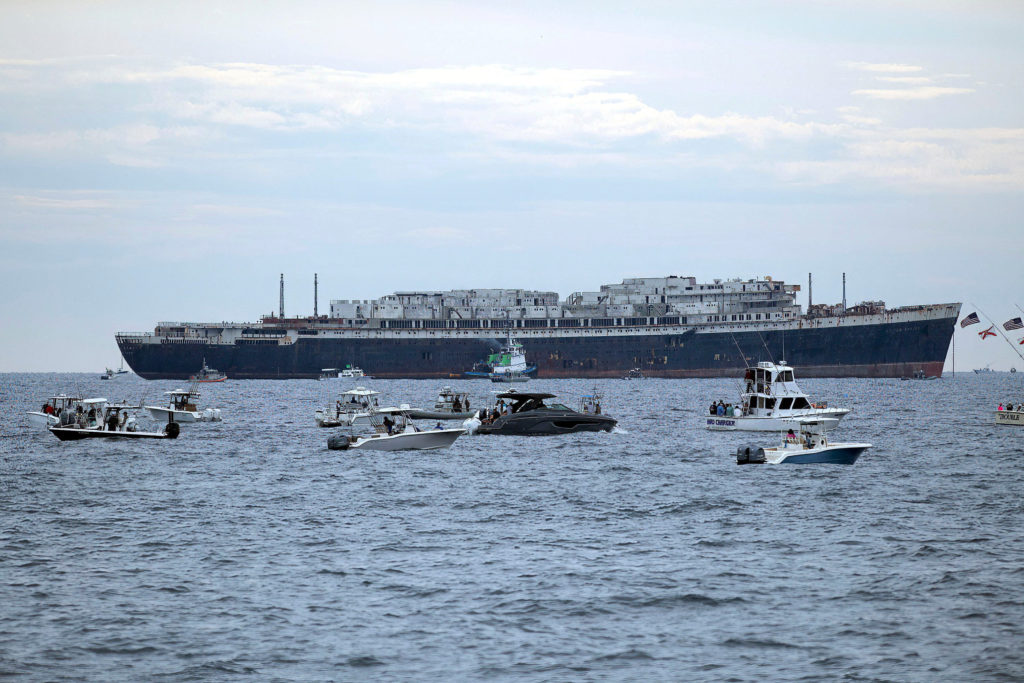
The famous SS United States ship has been sunk off the coast of Florida. Workers placed the historic vessel into the water to turn it into a massive artificial reef. It was once known as the world's fastest ocean liner before taking on this new role today.
What happened to the SS United States ocean liner?
The giant ship made its final journey into the deep ocean water near Florida. People watched live as the historic vessel slowly went underwater to rest on the sea floor. Teams worked hard to make sure the ocean liner landed safely in its target spot. Now, the huge structure will stay on the ocean bottom for many years to come.
Turning big steel ships into reefs is a common way to help local marine life thrive. Smaller ocean creatures quickly move into the empty rooms and hollow spaces of the sunken ship. Larger fish then come to the area to find food and shelter. Over time, wild coral will cover the old metal walls and turn the vessel into a living habitat.
Why did officials sink the world's fastest ocean liner?
The ship earned its fame many years ago by setting speed records across the Atlantic Ocean. It was built with strong engines and a sleek design that helped it cut through ocean waves faster than any other liner of its kind. However, big passenger ships like this one eventually became too old and expensive to keep running on regular sea travel routes.
Instead of letting the massive ship sit quietly in a shipyard to rust away, leaders chose to give it a brand new purpose. Moving the vessel out to sea allows it to help the natural ocean environment near Florida. Boat captains, scuba divers, and ocean experts can now use the unique site for outdoor adventures and science research.
How does an artificial reef help ocean life in Florida?
Artificial reefs offer a sturdy shelter for fish, crabs, and plants in areas where the sea floor is mostly flat sand. Having a giant structure sitting in the water gives tiny sea animals protection from strong ocean currents and bigger predators. It acts like a large city under the water for thousands of ocean species.
Local fishing and diving businesses also get a big boost when a famous ship becomes a reef spot. People travel from all over the country to swim near historic sunken vessels or fish in the waters around them. This brings extra tourism dollars to nearby towns along the coast every single year.
What will happen next for the SS United States reef site?
Underwater cameras and science teams will check on the ship regularly to track how fast sea life moves in. Algae and small ocean organisms are expected to cover the outer steel walls within just a few weeks. Within a year, full fish communities will call the famous old liner their permanent home.
Visitors will soon be able to take boat trips out to the exact spot where the vessel sank. Scuba divers can eventually explore the outside sections of the ship once safety checks are complete. The legendary speed liner will now spend its next chapter serving the ocean as a thriving home for marine life.


No comments:
Post a Comment